Ministry of Interior PRODES
Kilis Mind Games and Robotic Coding Festival Held within the Scope of PRODES
Kilis Mind Games and Robotic Coding Festival Held within the Scope of PRODES
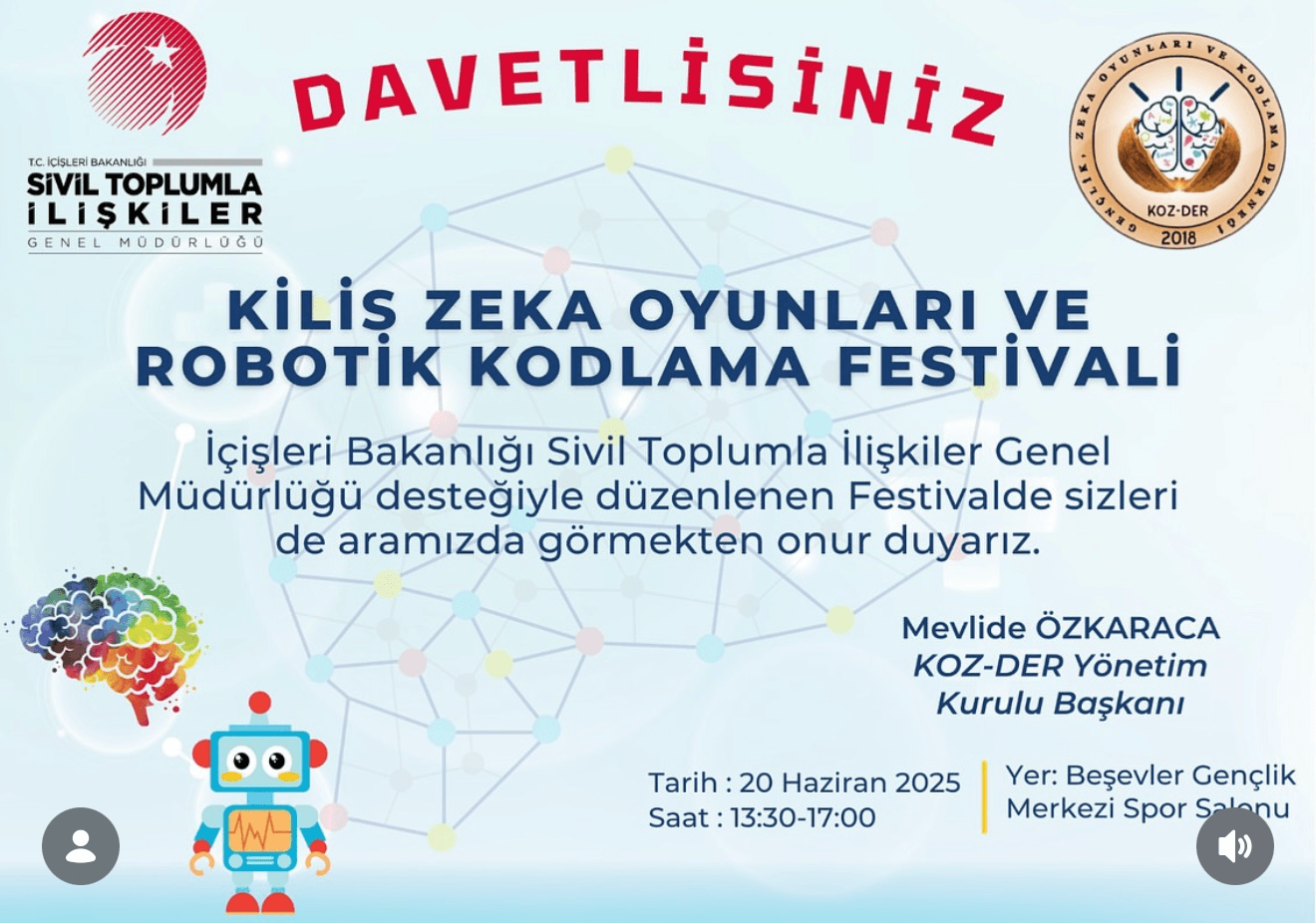
The Kilis Mind Games and Robotic Coding Festival project, implemented by Youth Mind Games and Coding Association (KOZ-DER), was supported by the Ministry of Interior within the scope of PRODES. The project was carried out with a total grant of 362,000 TL and was completed in 2025 after a 6-month implementation period.
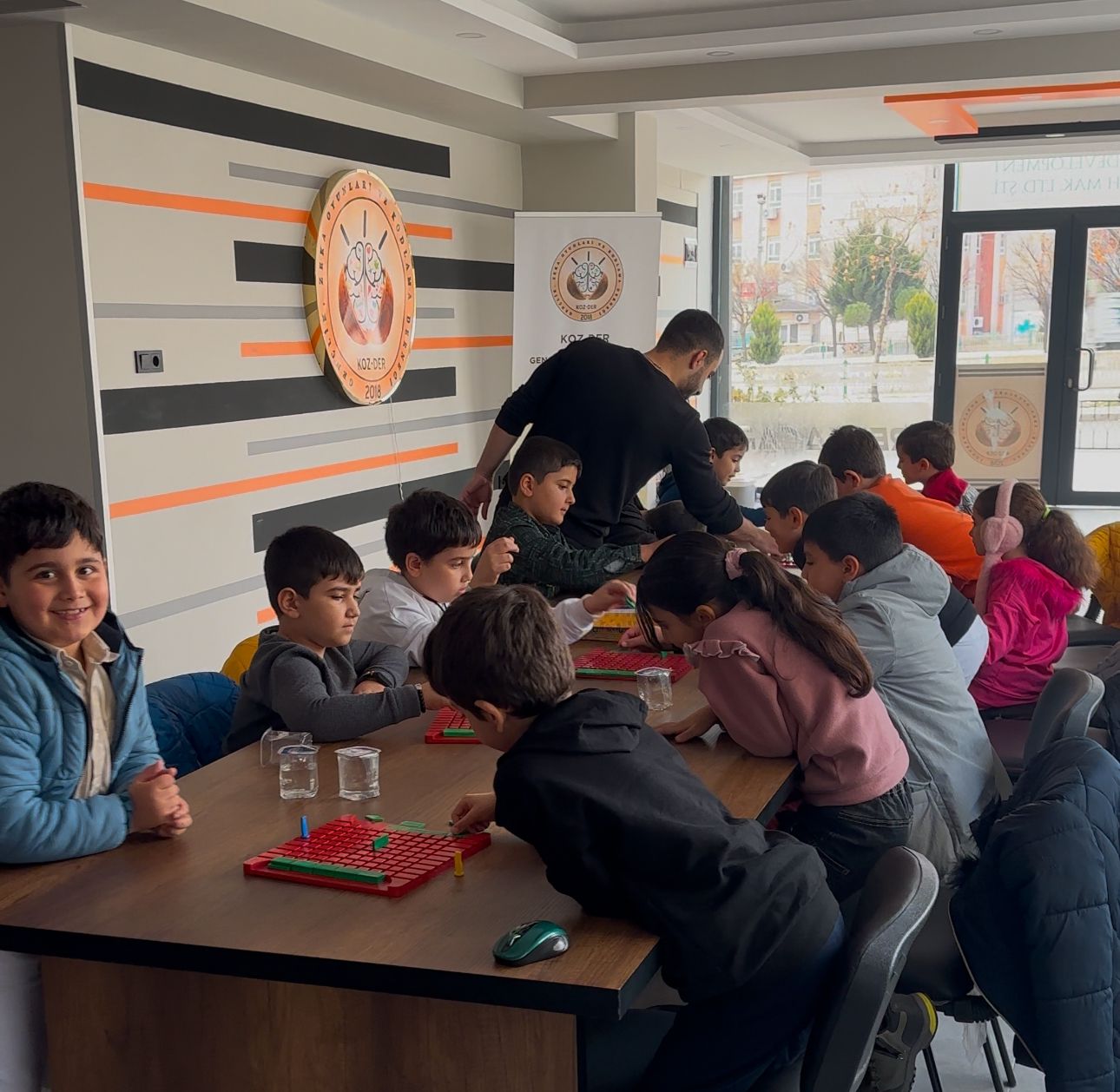
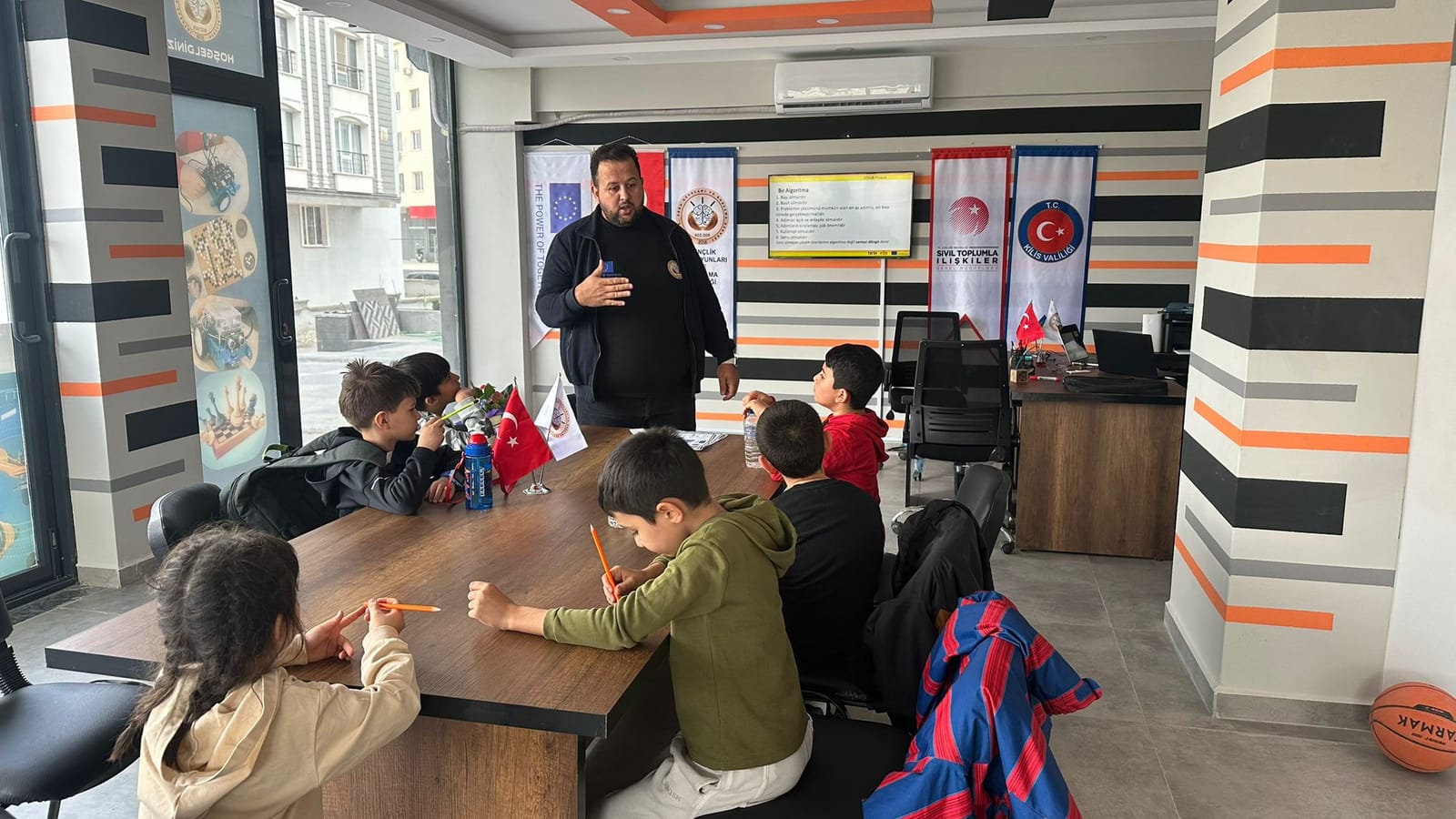
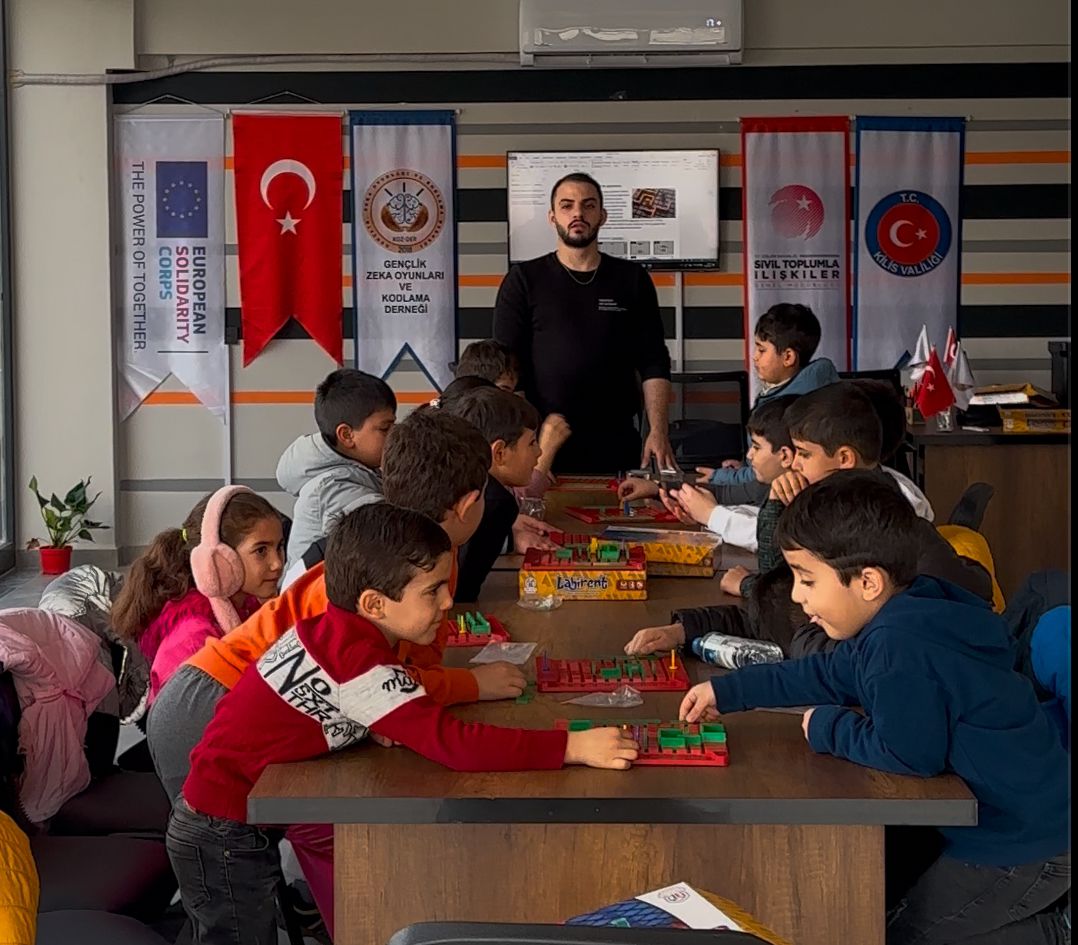
Within the scope of the project, trainings were provided to approximately 20 students each month for 6 months. Primary, secondary and high school students benefited from the activities. During this process, students received training in mind games, robotic coding, digital skills, strategic thinking, problem-solving and technology awareness.
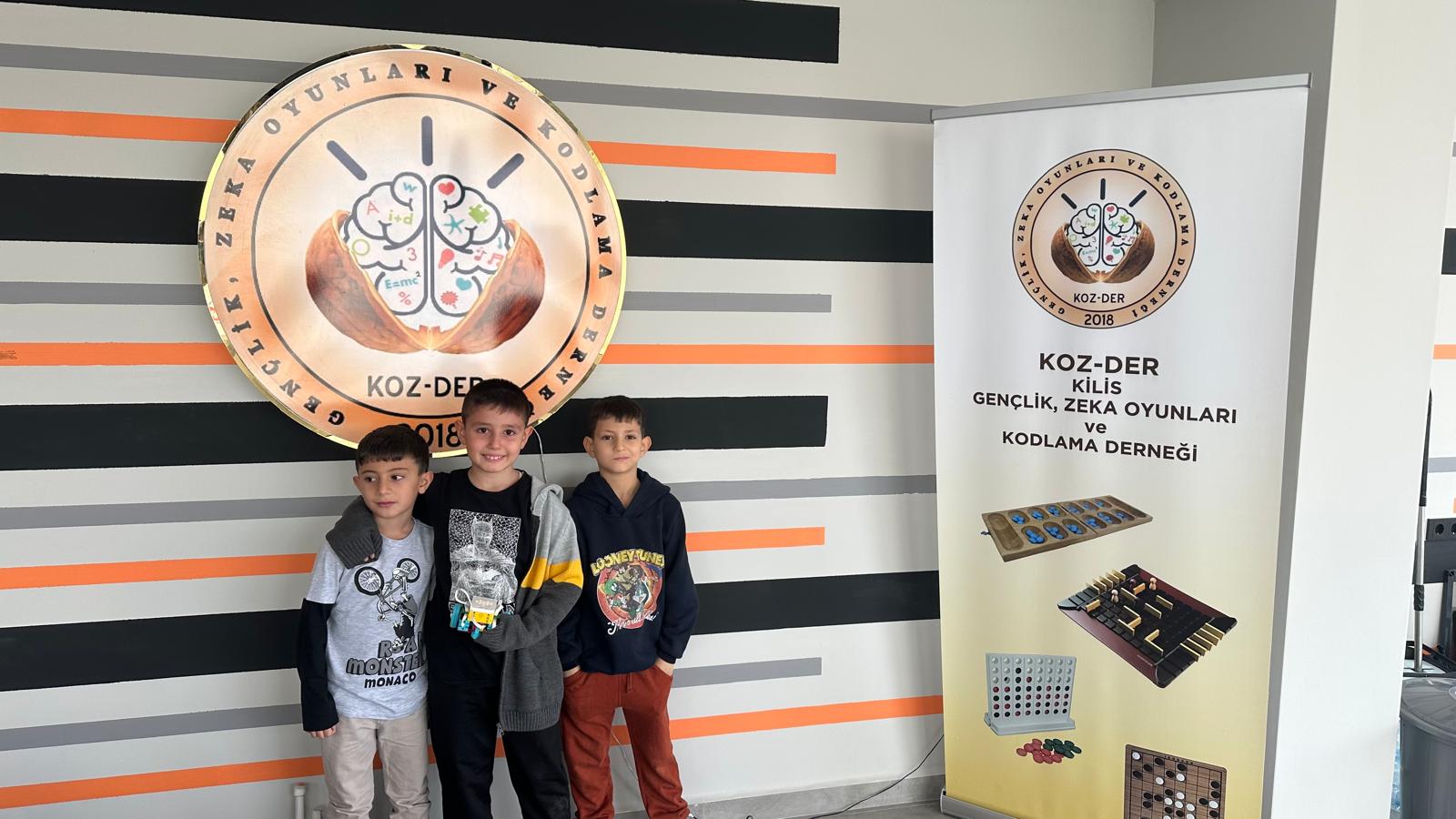
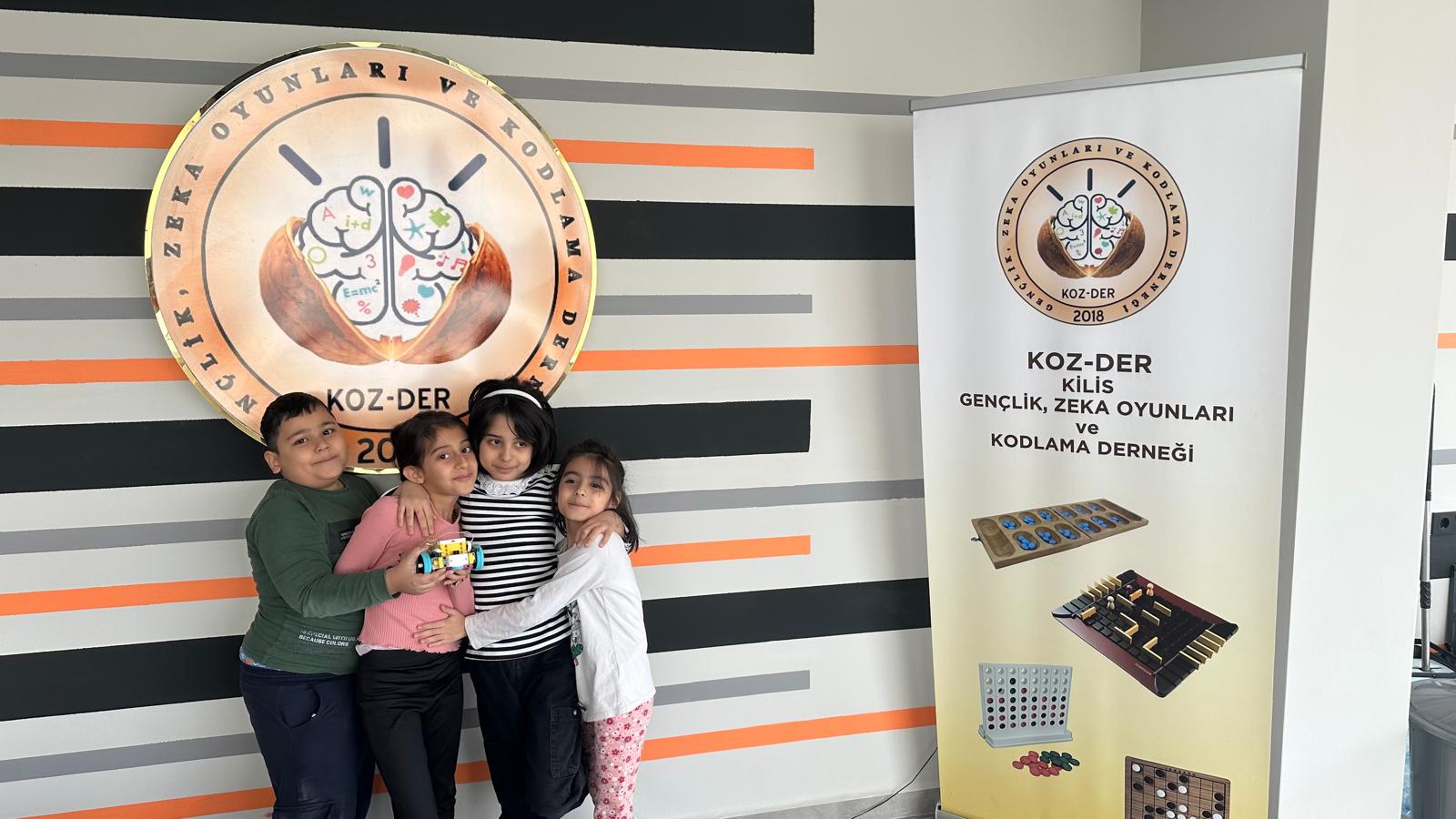
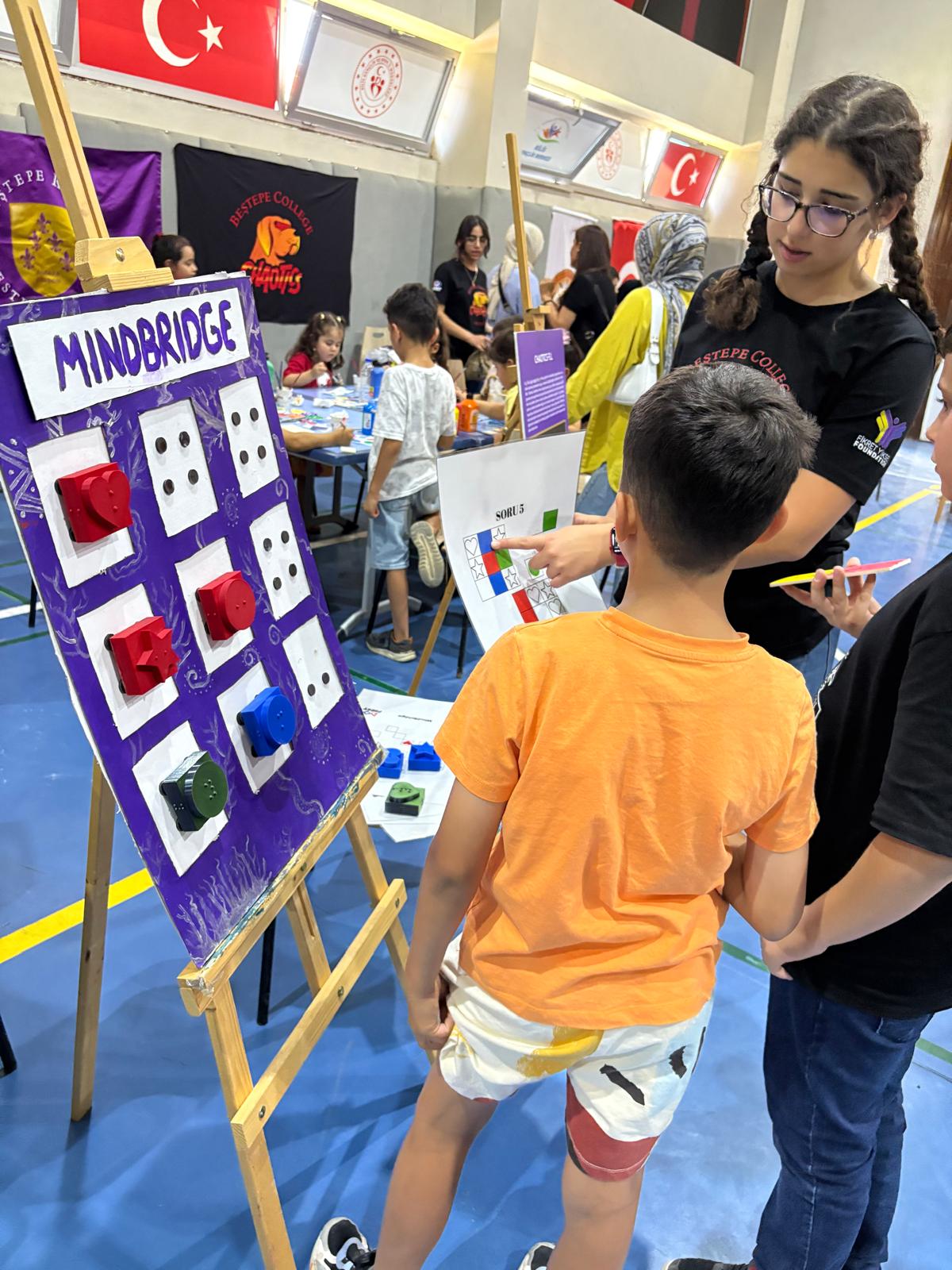
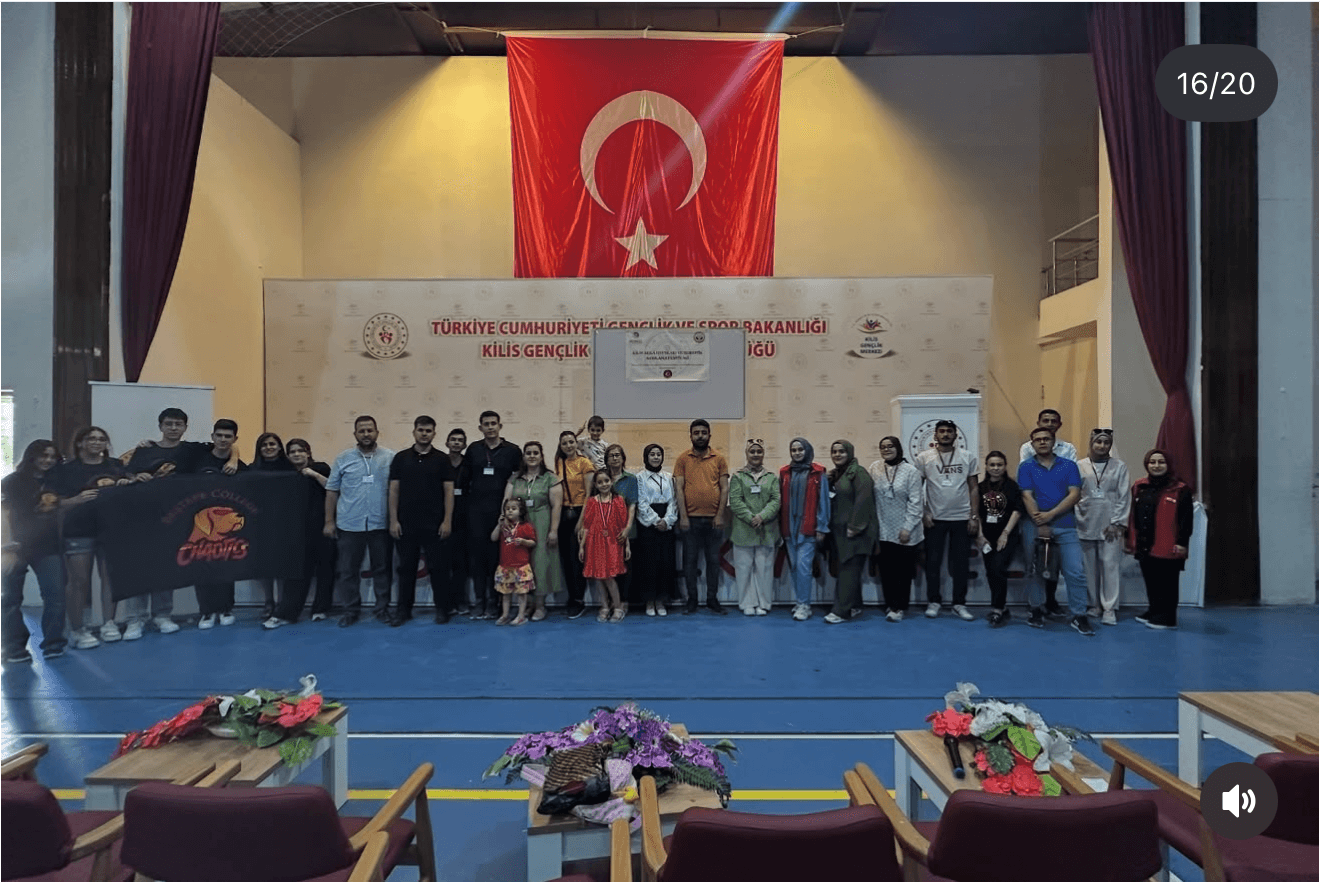
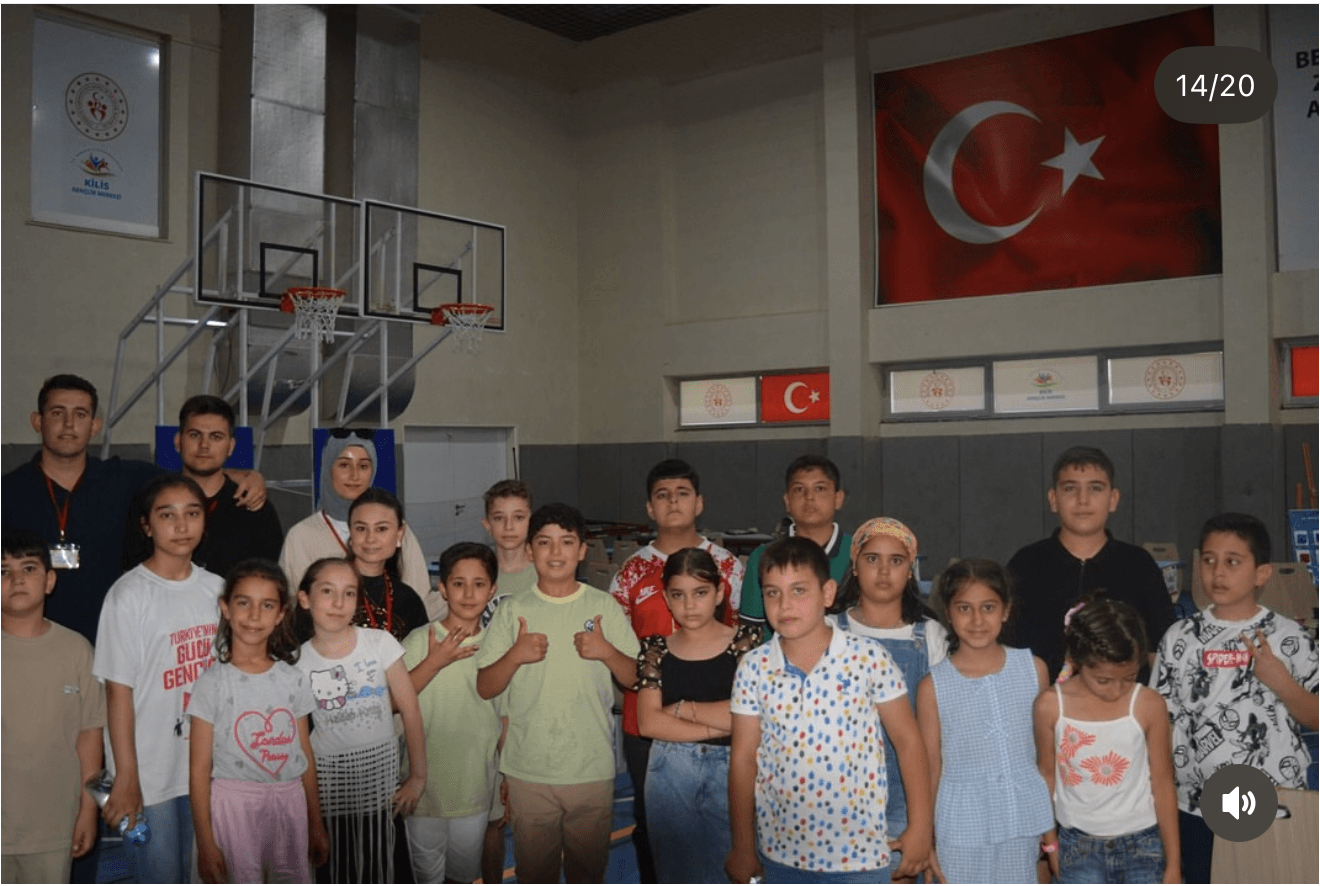
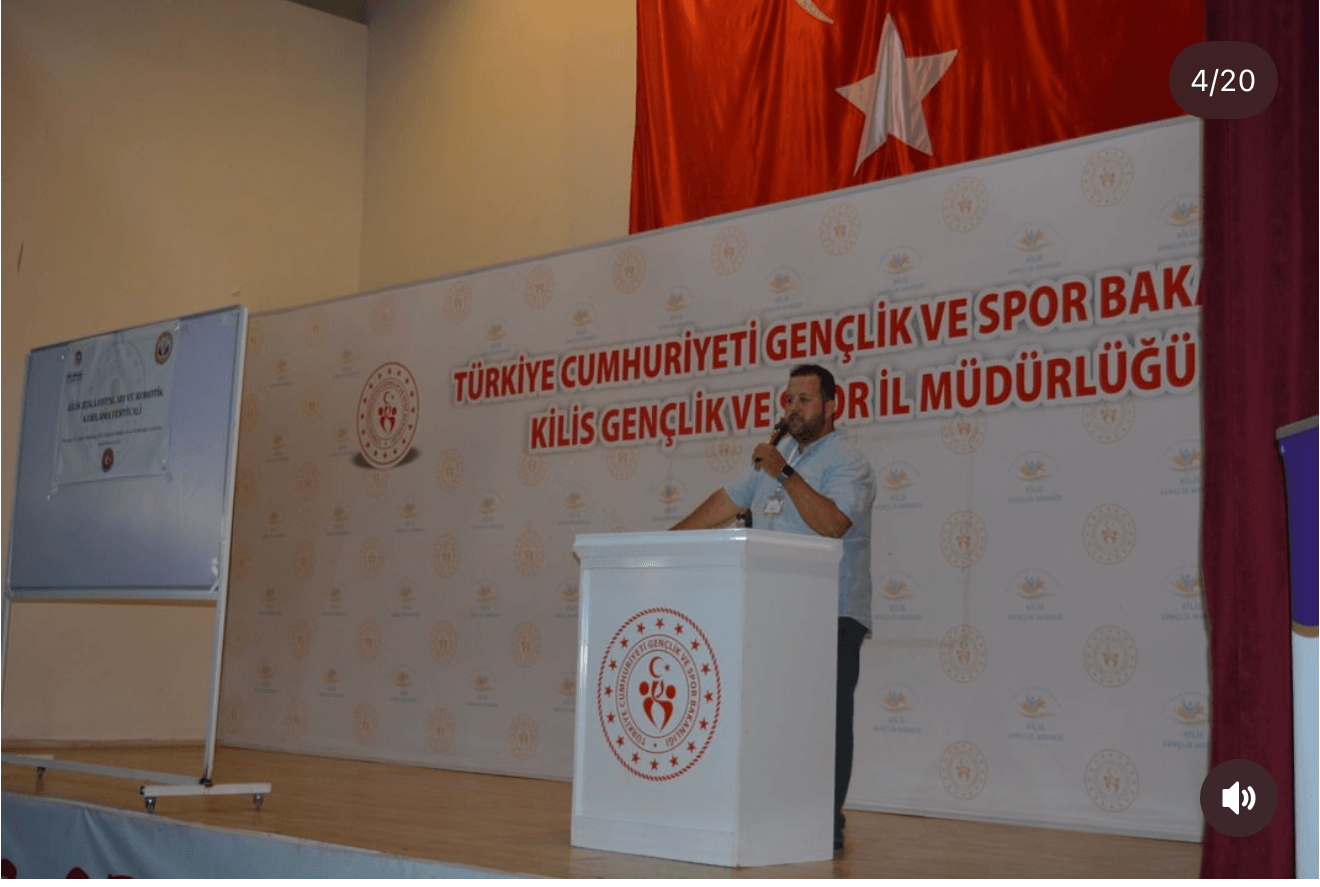
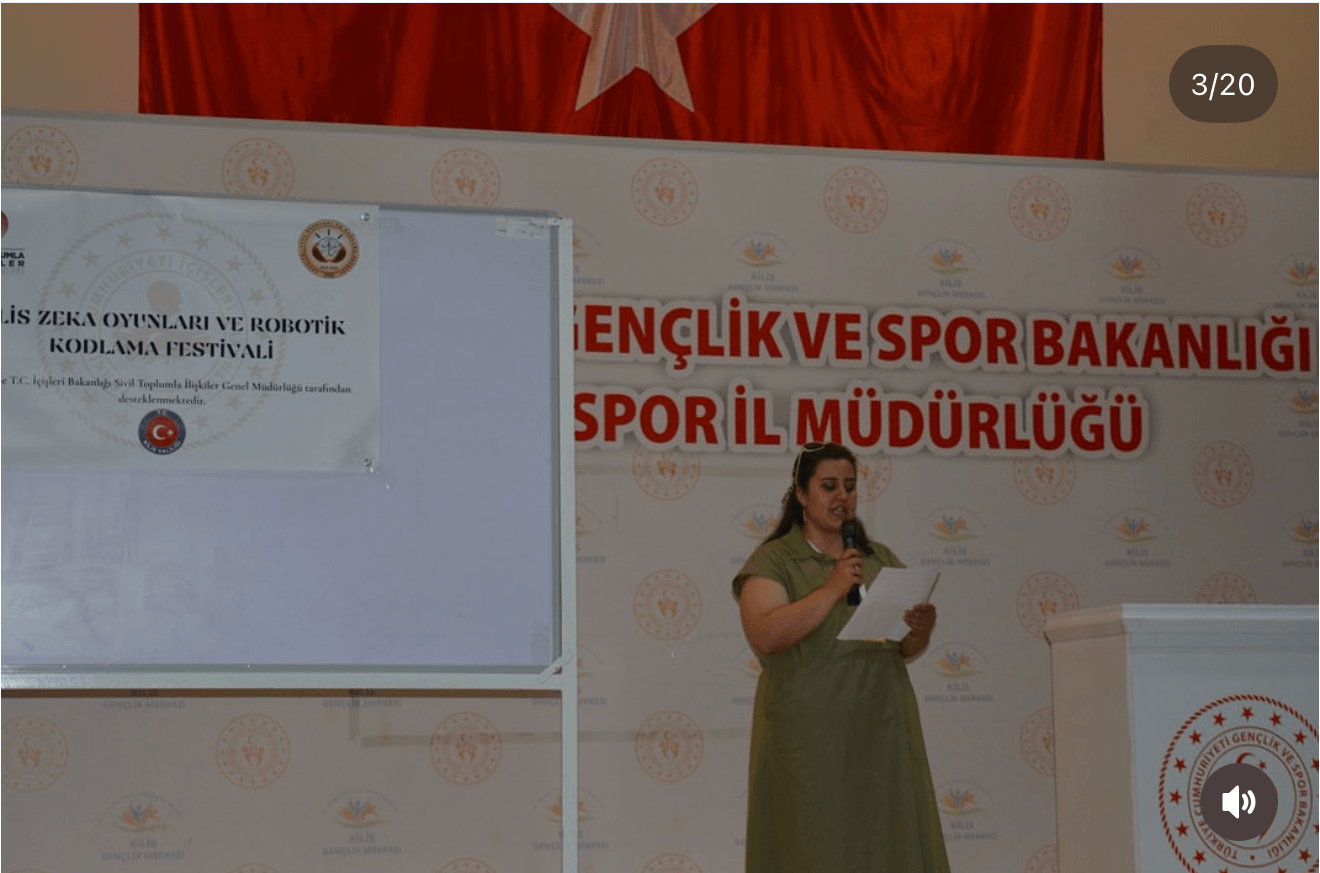
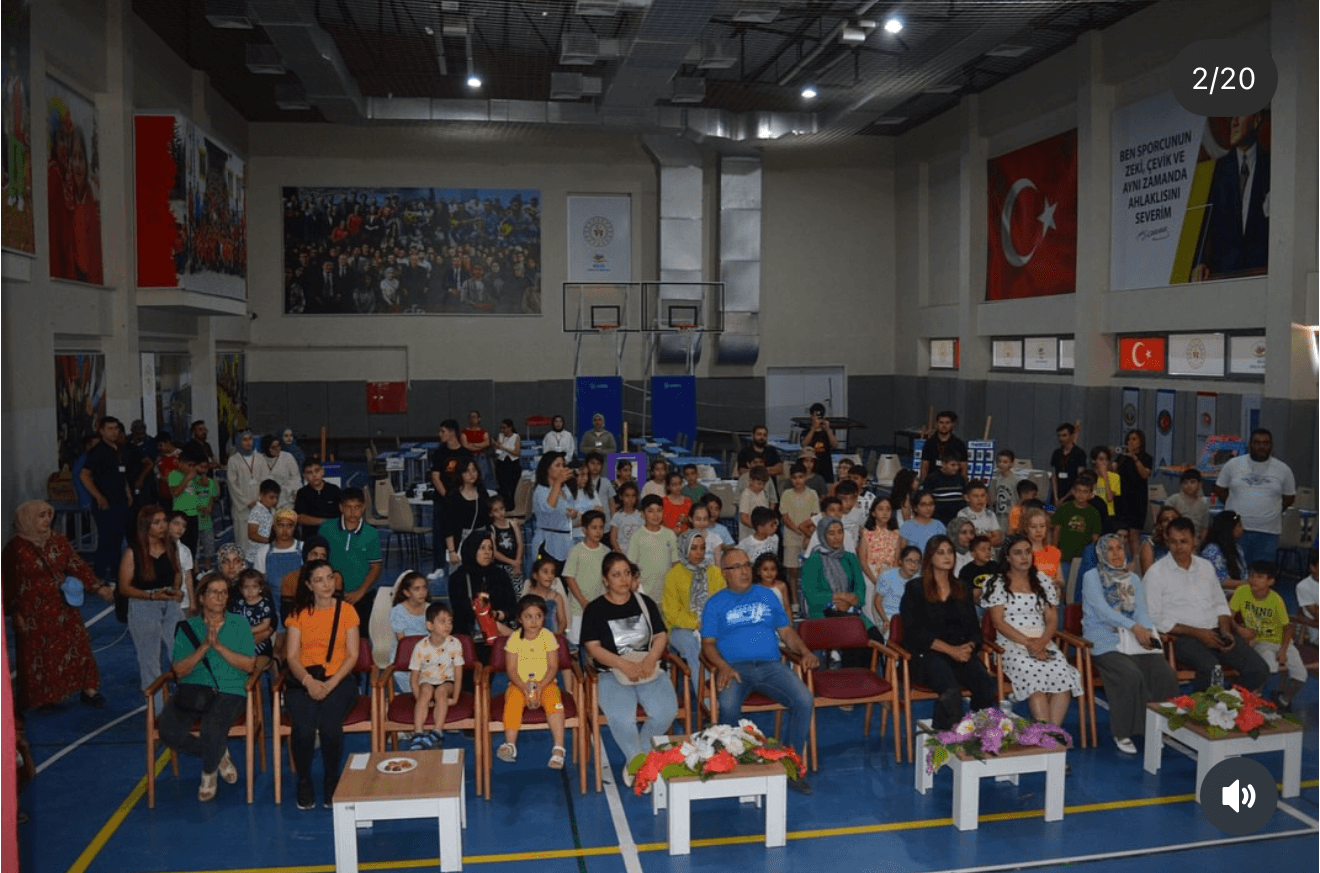
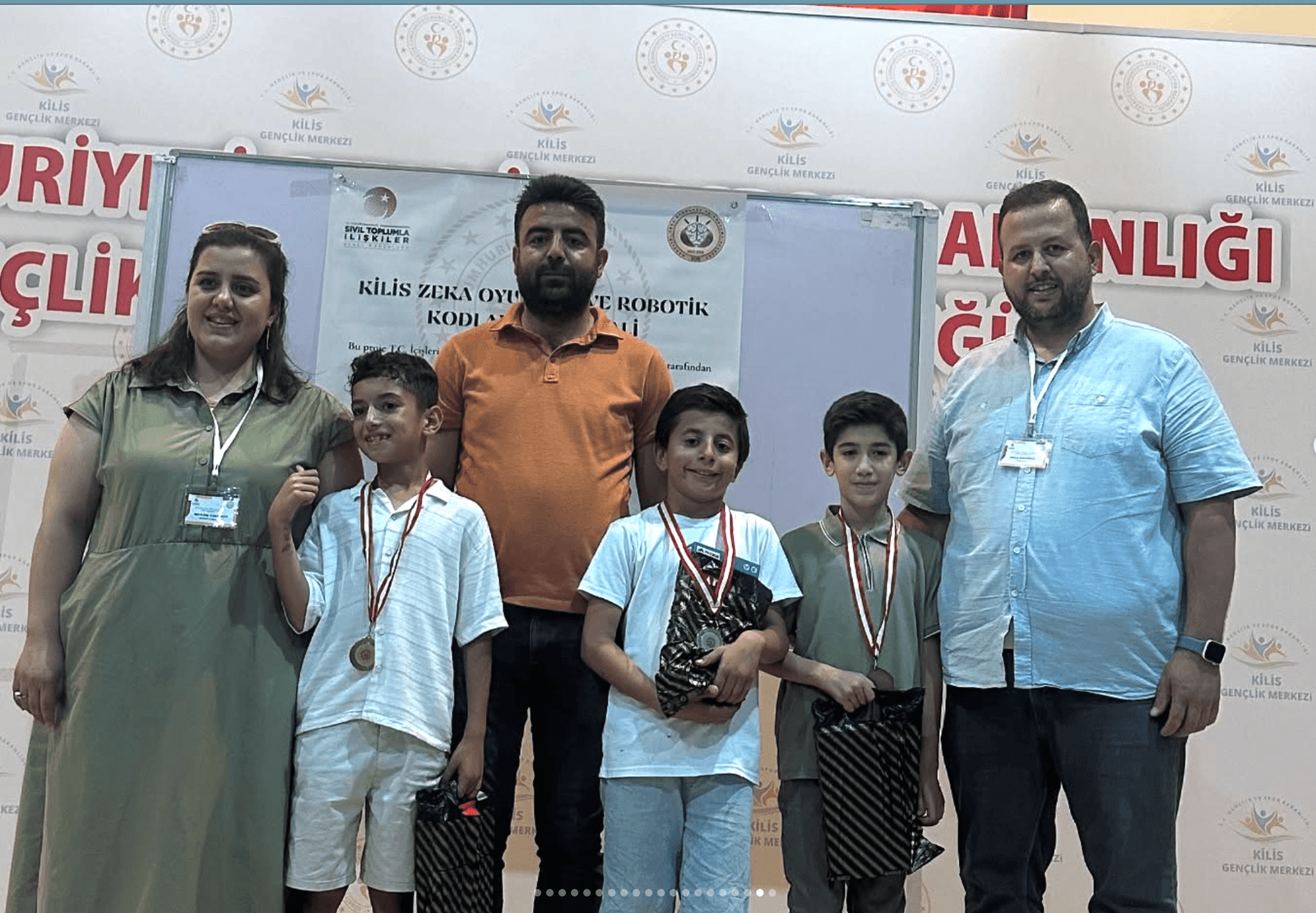
After the training process was completed, the Kilis Mind Games and Robotic Coding Festival was held, giving students the opportunity to apply what they had learned. The project was completed with a strong closing programme including mind games tournaments, robotic coding activities, Kahoot competitions, technology experiences and an award ceremony.
Aim of the Project
The main aim of the project was to increase the interest of children and young people in Kilis in technology, production, problem-solving and strategic thinking. Through mind games, the project aimed to support students’ attention, focus, reasoning, planning, decision-making and healthy competition skills.
Through robotic coding trainings, students were encouraged to approach technology not only as users, but also as individuals who can produce, design and develop solutions. In this way, the project contributed to helping students become familiar with the skills required by the digital age and prepare for the future more confidently.
Trainings Were Held for Six Months
During the first stage of the project, regular training activities were carried out for 6 months. Each month, approximately 20 students were included in the programme, enabling primary, secondary and high school students to benefit from mind games and robotic coding trainings.
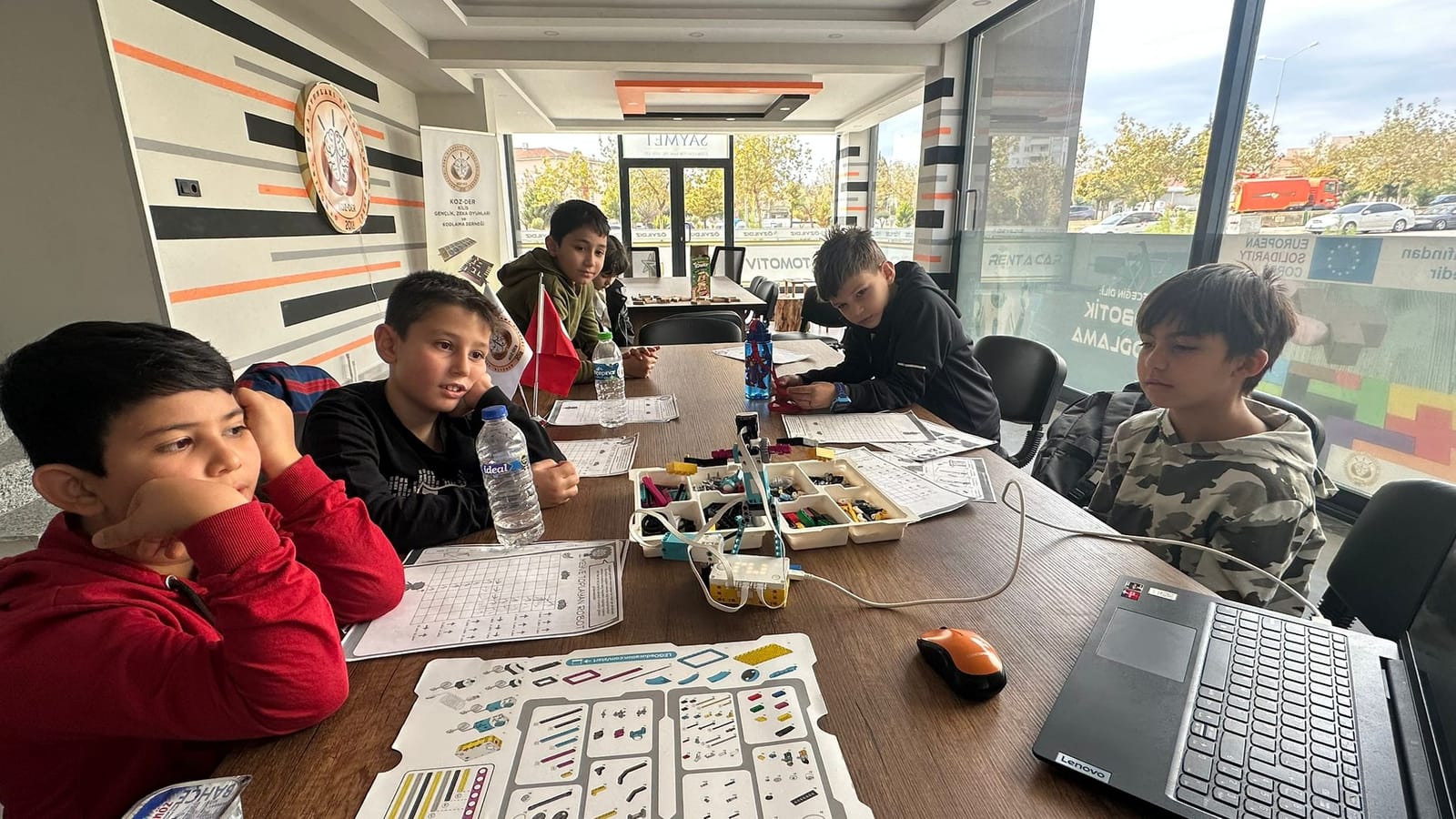
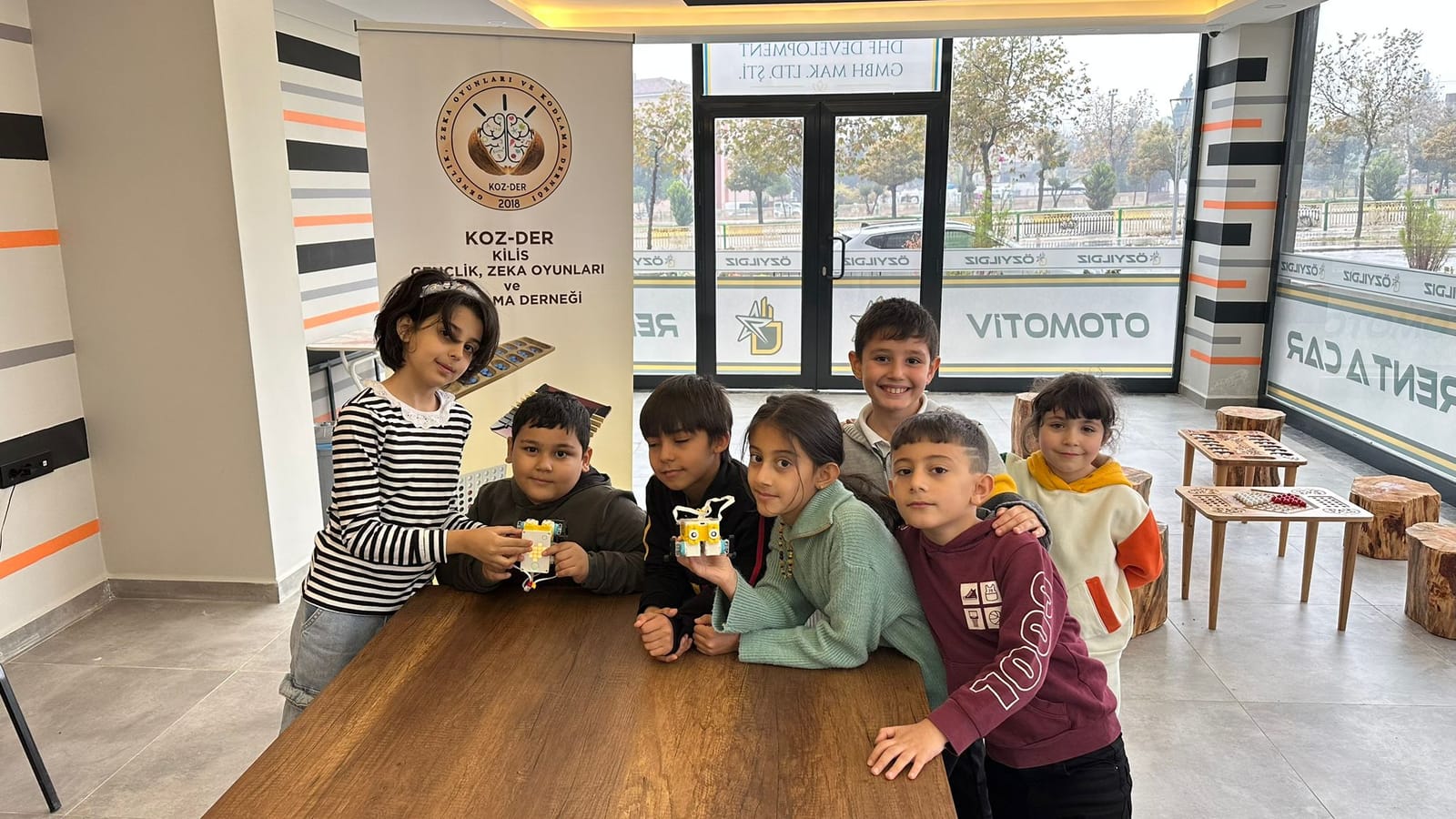
In the mind games trainings, students experienced strategy development, maintaining attention, following rules, being patient, producing different solutions and problem-solving. In robotic coding trainings, they worked on basic coding logic, the areas where robots are used, the relationship between technology and daily life, and digital production processes.
These trainings improved students’ cognitive skills and increased their curiosity about technology. Throughout the training process, students did not only receive theoretical knowledge but also became active parts of the learning process through game-based and practical activities.
From Trainings to Festival
The project was implemented in two main stages. In the first stage, students received regular mind games and robotic coding trainings. These trainings helped students develop basic knowledge and skills while increasing their awareness of technology and game-based learning.
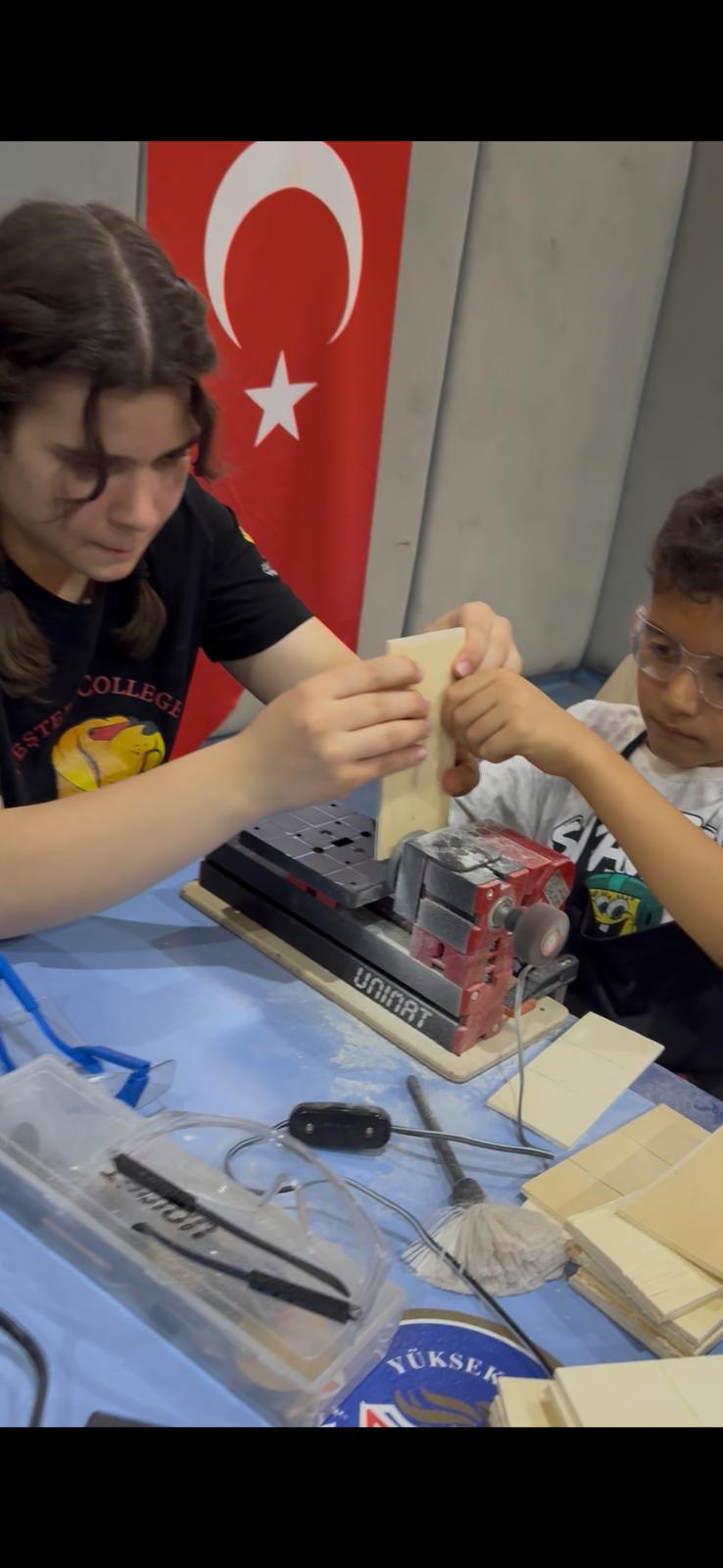
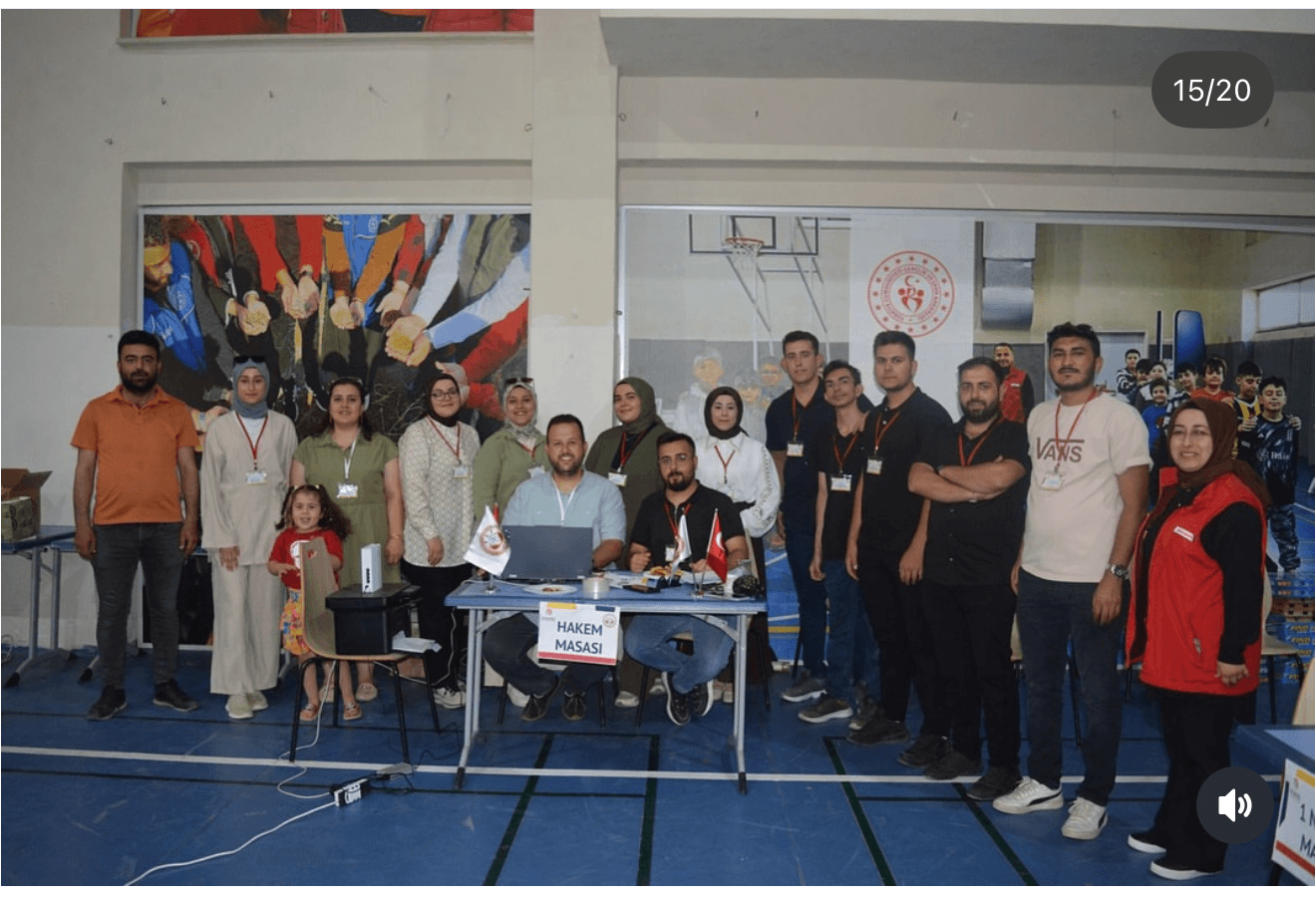
In the second stage, the Kilis Mind Games and Robotic Coding Festival was held to make the outputs of the training process visible. The festival became a strong closing event where students had the opportunity to apply what they had learned, take part in competitions, experience different activities, have fun and interact socially.
Mind Games Tournaments Were Organised
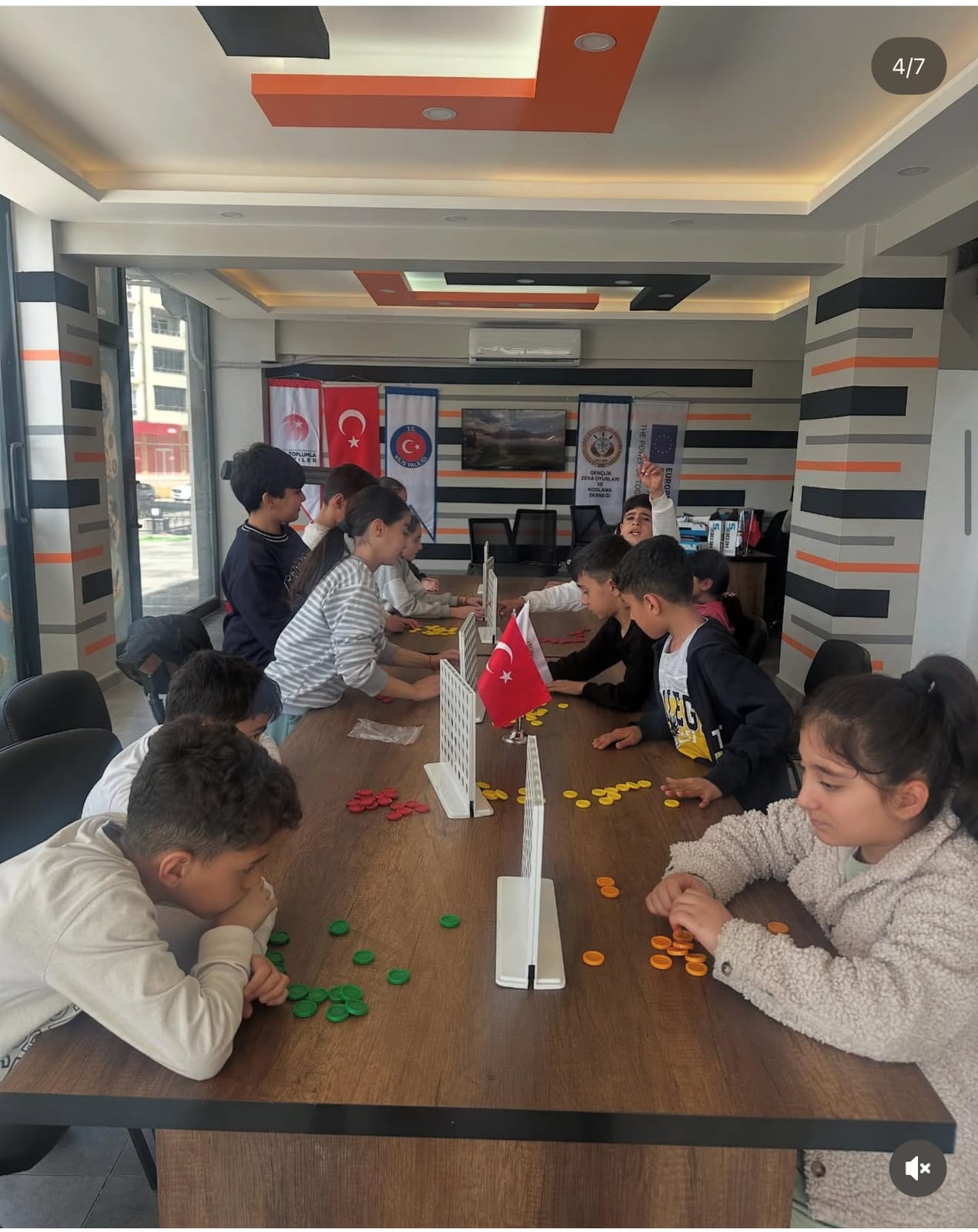
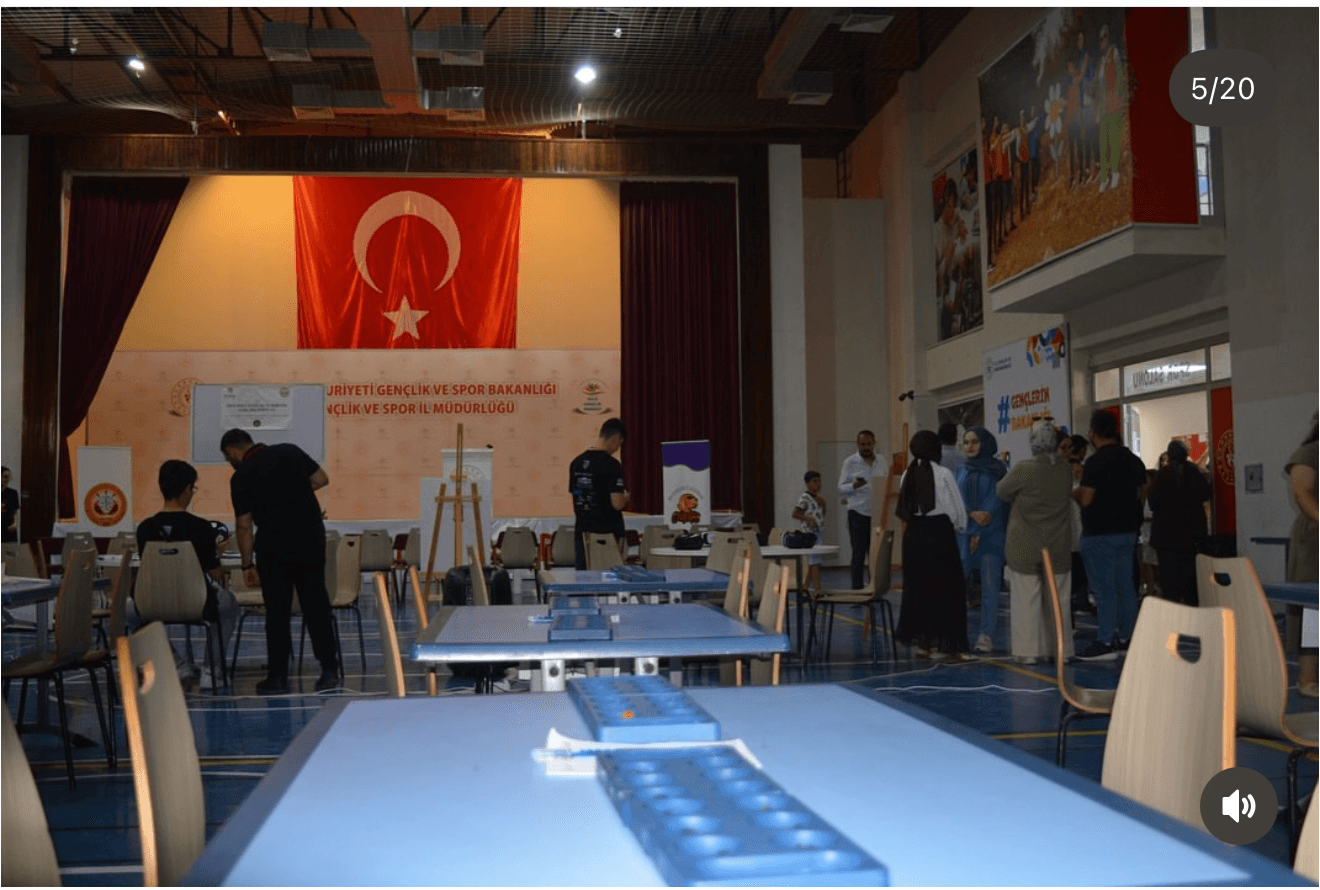
Within the scope of the festival, mind games tournaments were organised with the active participation of students. Participants reinforced what they had learned and used their strategic thinking skills through games such as Mangala, Chess, Sudoku, Speed Cups and similar activities.
The tournaments helped students experience competition in a positive environment. At the same time, students learned not only to win, but also to be patient, follow rules, respect others and evaluate the process at the end of the games.
Robotic Coding and Digital Skills
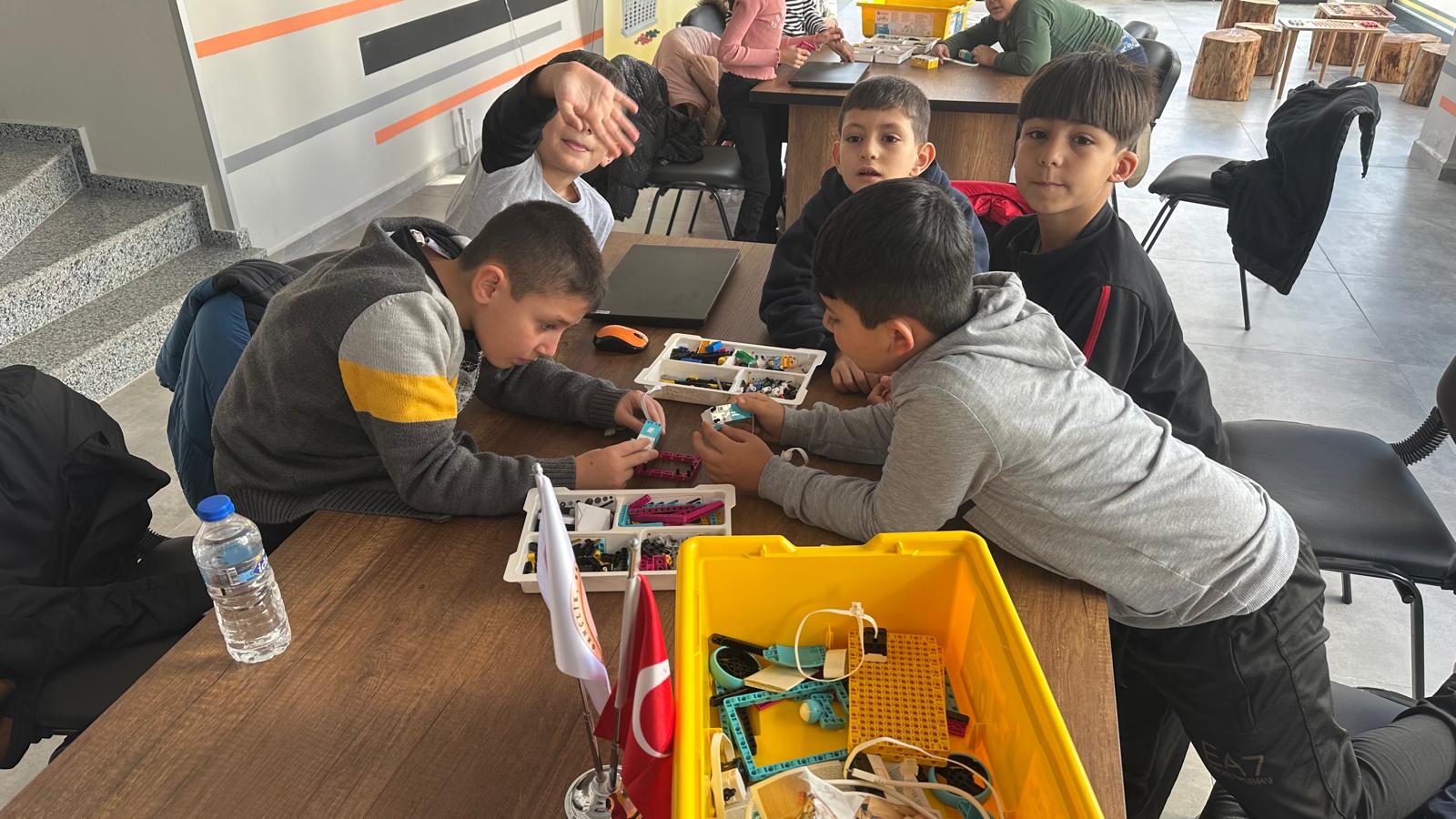
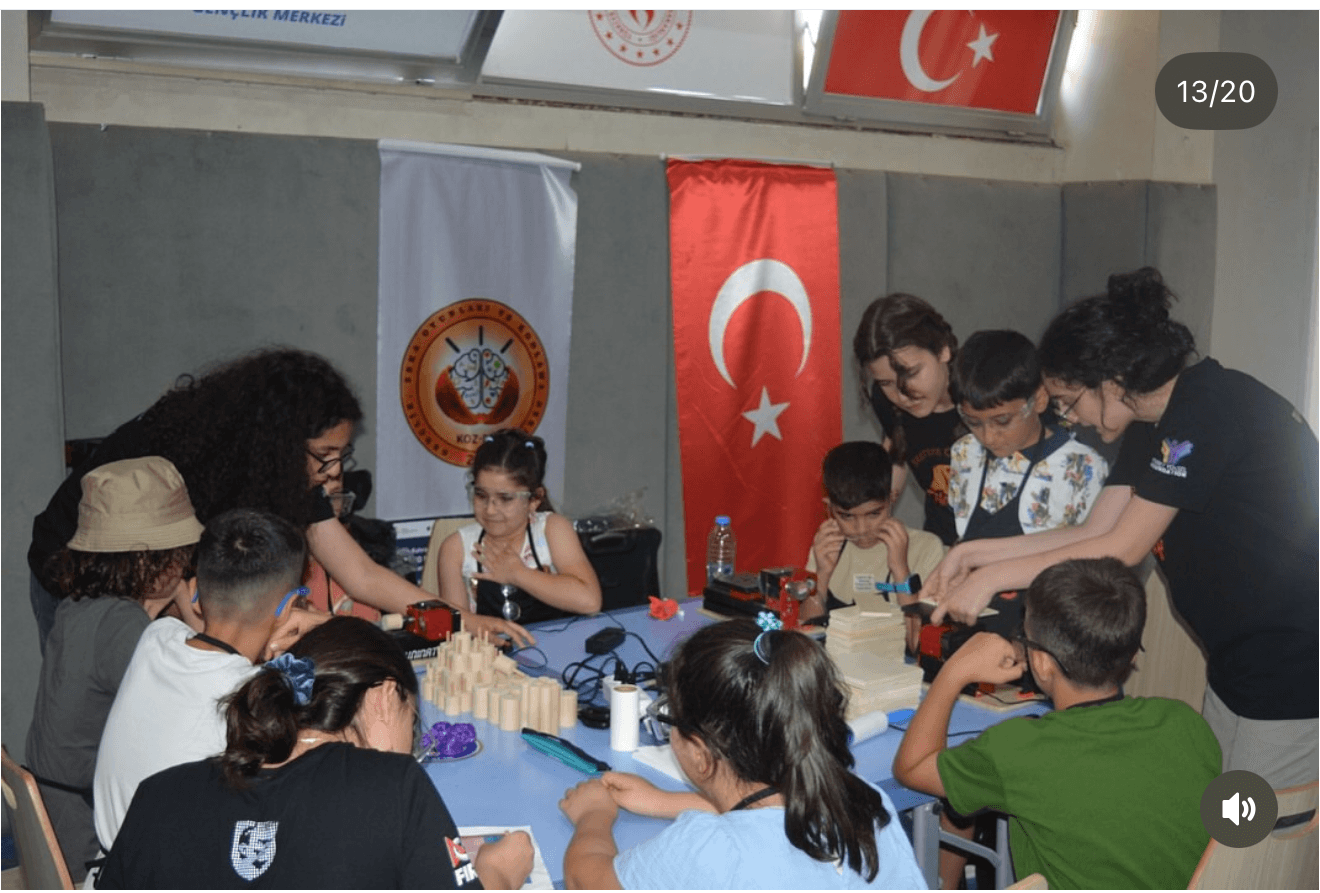
Robotic coding and digital skills-based activities were also included in the festival. Students had practical experiences related to robotic tools, coding logic, areas of technology use and digital production processes.
These activities increased the curiosity of students who were interested in technology and supported them in thinking in a production-oriented way. Robotic coding activities helped students understand not only how to use ready-made technologies, but also how technology can be produced and controlled.
Kahoot Activities and Awards
Within the festival, Kahoot activities were organised so that students could evaluate what they had learned in an enjoyable environment. Students used the knowledge they gained during the project in a quiz format and experienced a fun learning process.
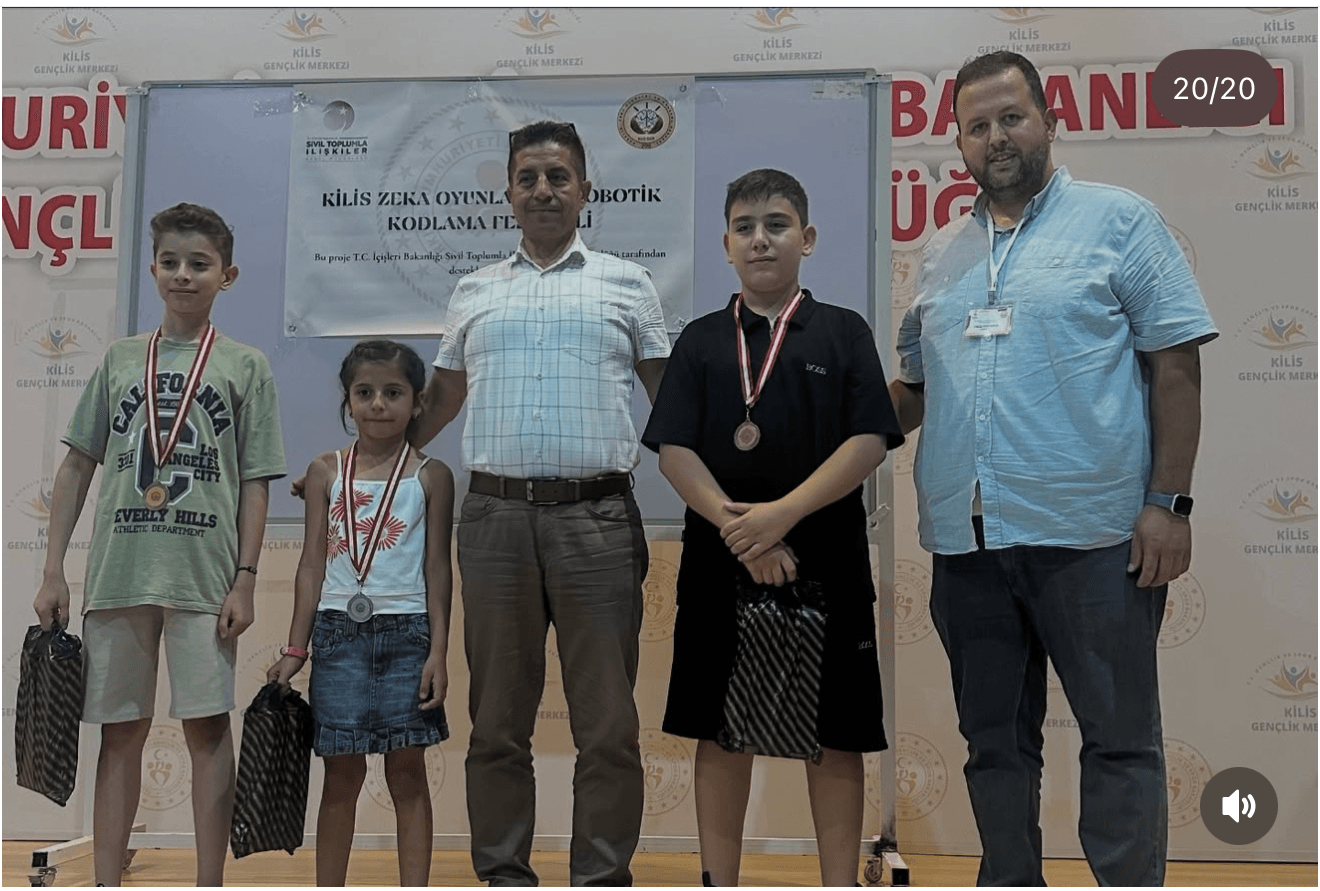
Gifts were presented to the 1st, 2nd and 3rd place students in the Kahoot competitions. This awarding process increased students’ motivation and contributed to making learning more enjoyable, participatory and lasting.
Pre-Test and Post-Test Findings
Pre-test and post-test activities were carried out to evaluate the impact of the trainings. The pre-test results showed that many students had not previously received training in mind games or robotic coding.
The post-test results showed that students were highly satisfied with the trainings, wanted to participate in similar activities again and would recommend these trainings to others. These results demonstrated that the project created a positive learning experience for the students.
Measured Satisfaction and Evaluation Results
According to the post-test evaluations, students’ satisfaction with the training was measured as 100%, the rate of recommending the training to others was 100%, and the willingness to participate again if a similar training was offered was 100%.
In the criteria-based evaluations, the trainers’ interest, answers to students’ questions, clarity of explanation and the educational nature of the mind games were among the highest-rated areas. Trainers’ sufficient answers to questions and their interest in participants received an average score of 4.57 out of 5, trainers being clear and effective received 4.52, and mind games being enjoyable and educational received 4.48.
These results showed that the project was completed as a successful process in terms of content, implementation and participant satisfaction.
Video Shares from the Festival
Video contents reflecting the mind games, robotic coding, Kahoot activities, workshops and active participation of students during the festival were also shared through our social media accounts.
You can access the festival videos through the links below:
These posts made the festival atmosphere, students’ interest in the activities and the enjoyable side of learning more visible after the trainings carried out within the project.
An Enjoyable and Educational Learning Space for Young People
The Kilis Mind Games and Robotic Coding Festival supported students not only in becoming familiar with technology and mind games, but also in learning together, producing together, experiencing solidarity while competing and gaining self-confidence.
Thanks to the project, primary, secondary and high school students came together in different learning environments and experienced an active, enjoyable and educational process through mind games, robotic coding, Kahoot activities and festival practices.
Thank You
As KOZ-DER, we would like to thank the Ministry of Interior for its support within the scope of PRODES. We also thank all students, families, trainers, volunteers and stakeholders who contributed to the trainings and festival process.
We will continue our efforts to support young people’s digital skills, problem-solving capacities, interest in technology and social participation with the same motivation and excitement.
Gallery.