Help
Frequently asked.
What you want to know about European programmes and KOZ-DER — in brief.
01 When and where was KOZ-DER founded?
+
When and where was KOZ-DER founded?
KOZ-DER’s establishment preparations and official application were completed in Kilis in 2018. After the official procedures were finalised, the association acquired legal personality and formally began operating on 2 January 2019.
02 Why does the KOZ-DER logo show 2018?
+
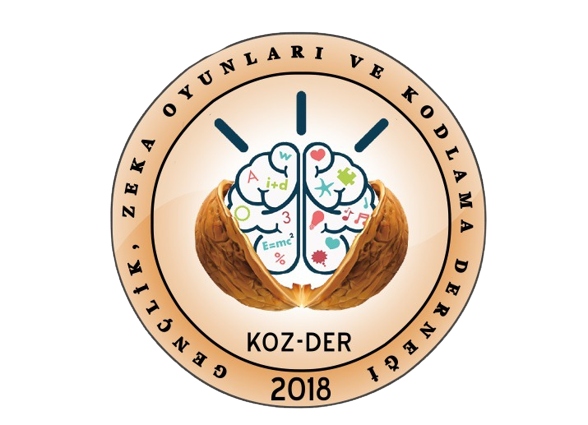
Why does the KOZ-DER logo show 2018?
The idea, preparations and official application for the association began in 2018, which is why 2018 appears on our logo. The association officially acquired legal personality on 2 January 2019. Therefore, 2018 represents the beginning of our establishment process, while 2019 is our year of official incorporation.
03 Where does the name “KOZ-DER” come from?
+
Where does the name “KOZ-DER” come from?
In the Kilis region, the word “koz” means walnut. The walnut is associated with the brain and mental development because of its appearance and nutritional qualities. Mind games, robotics, coding and digital skills likewise support thinking, problem-solving and creativity. Our name brings this local cultural reference together with the mental and technological development of young people.
04 What are KOZ-DER’s aims and goals?
+
What are KOZ-DER’s aims and goals?
KOZ-DER aims to support young people’s personal, social, academic and professional development. We work in mind games, robotics and coding, digital skills, foreign languages, the environment, disaster awareness, active citizenship, volunteering and intercultural learning. We particularly aim to improve access to national and international opportunities for young people with fewer opportunities.
05 In which fields does KOZ-DER work?
+
In which fields does KOZ-DER work?
Our main fields are mind games, robotics and coding, digital skills, English speaking, the environment and recycling, disaster awareness, active citizenship, social inclusion, refugee integration, volunteering and international youth work.
06 Do I have to live in Kilis to join KOZ-DER activities?
+
Do I have to live in Kilis to join KOZ-DER activities?
No. A significant part of our face-to-face work takes place in Kilis, but young people from other cities in Türkiye may join online training, meetings, information sessions and suitable national or international projects. Specific participation conditions are stated in each announcement.
07 How can I volunteer with KOZ-DER?
+
How can I volunteer with KOZ-DER?
You can follow our website and linktr.ee/kozder to join our current volunteering groups. Depending on your interests, you may contribute to Speaking Club, mind games, robotics and coding, environmental and disaster-awareness activities, social media, project preparation and dissemination work.
08 How can I become a member of KOZ-DER?
+
How can I become a member of KOZ-DER?
You can read the membership conditions and follow the application steps in the membership section of linktr.ee/kozder . Applications are assessed under the association’s statute and the applicable legislation. You may also volunteer in our activities without becoming a formal member.
09 Who can apply for KOZ-DER projects?
+
Who can apply for KOZ-DER projects?
Application requirements vary by project. Conditions relating to age, country, foreign-language level, education or professional profile may differ from one call to another. The age range, participant profile and all other requirements are stated clearly in each announcement.
10 How can I apply for KOZ-DER projects?
+
How can I apply for KOZ-DER projects?
You can follow current opportunities through the Projects section of our website and linktr.ee/kozder . Before applying, carefully read the project description and information pack, when available, and complete the relevant application form.
11 How are project participants selected?
+
How are project participants selected?
Selection considers suitability for the target group, motivation, responsibility, interest in the subject and, where necessary, foreign-language ability. Priority may be given to first-time international participants, young people with fewer opportunities or members of the call’s target group. Project-specific criteria are explained in each announcement.
12 Do I have to pay to apply for or join a project?
+
Do I have to pay to apply for or join a project?
No. KOZ-DER does not charge fees for applications, interviews, nominations or participant selection. Support for travel, accommodation, food, insurance, visa costs and pocket money is provided according to the project’s budget rules and explained separately in each call.
13 Can I apply if I have never travelled abroad before?
+
Can I apply if I have never travelled abroad before?
Yes. We particularly encourage applications from young people who have never travelled abroad or taken part in Erasmus+ or ESC. Selected participants receive orientation on project preparation, travel planning, cultural adjustment and the experience of going abroad.
14 Can I apply if I do not have a passport or visa?
+
Can I apply if I do not have a passport or visa?
You may apply depending on the project start date and application conditions. If selected, you will receive guidance on passports, visas, invitation letters, insurance and other required documents. Preparing the documents and completing official applications on time remain the participant’s responsibility.
15 Can I join a project if my English is not very good?
+
Can I join a project if my English is not very good?
Basic or intermediate English is enough for many projects. The important things are being willing to communicate, learn and participate actively. Some projects may require more advanced English. Young people who want to improve can join KOZ-DER Speaking Club activities.
16 Are young people with fewer opportunities given priority?
+
Are young people with fewer opportunities given priority?
Yes. Improving access for young people facing economic, geographical, social, educational or cultural barriers is one of our main priorities. Young people from Kilis and south-eastern Türkiye, first-time international participants and those with limited access to opportunities may receive priority in relevant projects.
17 What is the European Solidarity Corps (ESC)?
+
What is the European Solidarity Corps (ESC)?
The European Solidarity Corps is a European Union programme enabling young people aged 18–30 to take part in volunteering activities in their own country or abroad. Depending on the project, accommodation, food, travel, insurance, local transport, visa costs and pocket money may be supported by the programme budget.
18 What is the difference between Erasmus+ and the ESC?
+
What is the difference between Erasmus+ and the ESC?
Erasmus+ includes youth exchanges, training courses and other learning mobility activities. The ESC focuses mainly on volunteering and solidarity activities. Age limits, duration, tasks and financial support vary according to the type of project.
19 What is KOZ-DER’s role in the European Solidarity Corps?
+
What is KOZ-DER’s role in the European Solidarity Corps?
KOZ-DER works as a supporting and lead organisation under its European Solidarity Corps Quality Label. We support volunteers with suitable project matching, preparation, travel, visas, insurance, mentoring, monitoring and post-project evaluation.
20 What happens after I submit an application?
+
What happens after I submit an application?
Applications are reviewed according to the project conditions. Suitable candidates may be invited to an online or face-to-face interview. Selected participants receive information about the project, tasks, travel, budget, insurance, visas and cultural preparation. In some projects, the hosting organisation makes the final selection.
21 How can I follow KOZ-DER’s face-to-face and online activities?
+
How can I follow KOZ-DER’s face-to-face and online activities?
You can follow current activities through our website, social-media accounts and linktr.ee/kozder . By joining the relevant WhatsApp or announcement groups, you can receive updates about new activities and project calls.
22 Can I continue working with KOZ-DER after completing a project?
+
Can I continue working with KOZ-DER after completing a project?
Yes. Former participants may share their experience with new applicants, volunteer in local activities, contribute to promotion and dissemination or support the preparation of new projects. Completing a mobility activity does not mean that your relationship with KOZ-DER has ended.
23 Can an organisation establish a partnership with KOZ-DER?
+
Can an organisation establish a partnership with KOZ-DER?
Yes. We cooperate with civil-society organisations, municipalities, youth centres, educational institutions and other organisations in Türkiye and across Europe through Erasmus+, ESC and local youth work. Partnership proposals may be sent to bilgi@kozder.com.
Couldn't find your answer?
Send your question by WhatsApp or email — we usually reply the same day.